How the AI Bubble Will Pop
+I’m not saying AI isn’t useful or won’t generate revenue, but it's a bubble.
Key points:
• The neocloud companies (CoreWeave, Nebius, etc.) aren’t going to pull the industry down. Their role is the opposite. They are spillover capacity for the majors. If any of them go under, it will only provide a relief valve for overcommitted AI labs. The likely failure mode here is an inability to raise or service debt, coupled in some cases with an inability in any circumstance to successfully execute capacity plans.
• The quasi neoclouds—hyperscalers renting out capacity—Oracle, Meta, and XAI—are in the same boat as the above but (a) have better ability to execute but (b) are more likely to trigger a psychological contagion (lack of confidence in AI investments generally) because they’re public companies.
• The AI labs—Anthropic and OpenAI plus hyperscalers like Google—have huge spending commitments. Theoretically, this would be the industry’s downfall as they default on them because revenue growth isn’t sufficient to support these commitments. In practice, the above neocloud buffer will mitigate this problem, and other promises were made to be broken. That is, commitments can be renegotiated and spending plans changed. Specifically, training investment could halt as AI labs pretrain models less frequently. That would slash investment by 2/3. Inference costs can be reduced by curtailing free usage. Such spending cuts will mitigate reduced top-line revenue growth, leading to higher profits even as multi-trillion-dollar projections go out the window.
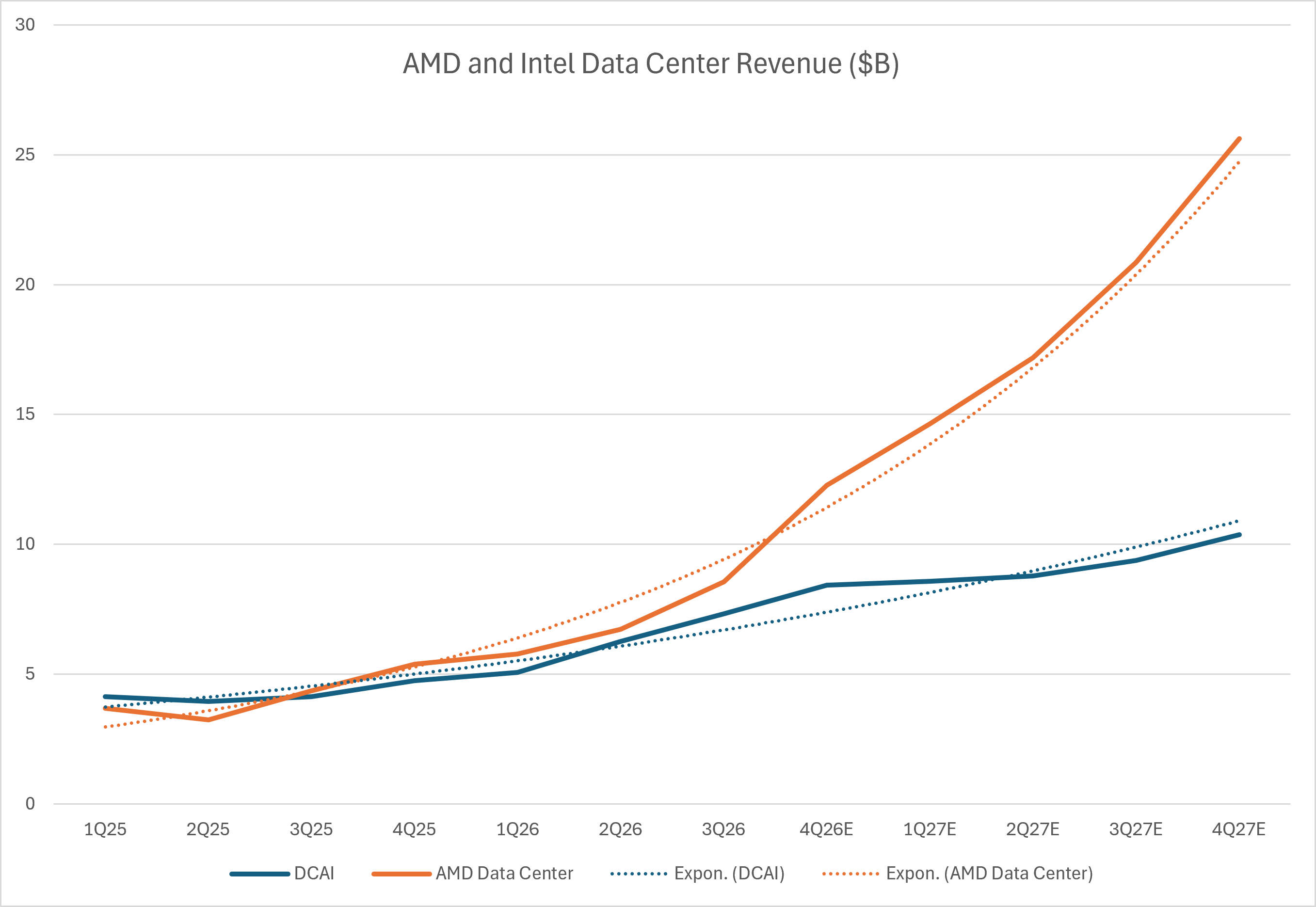
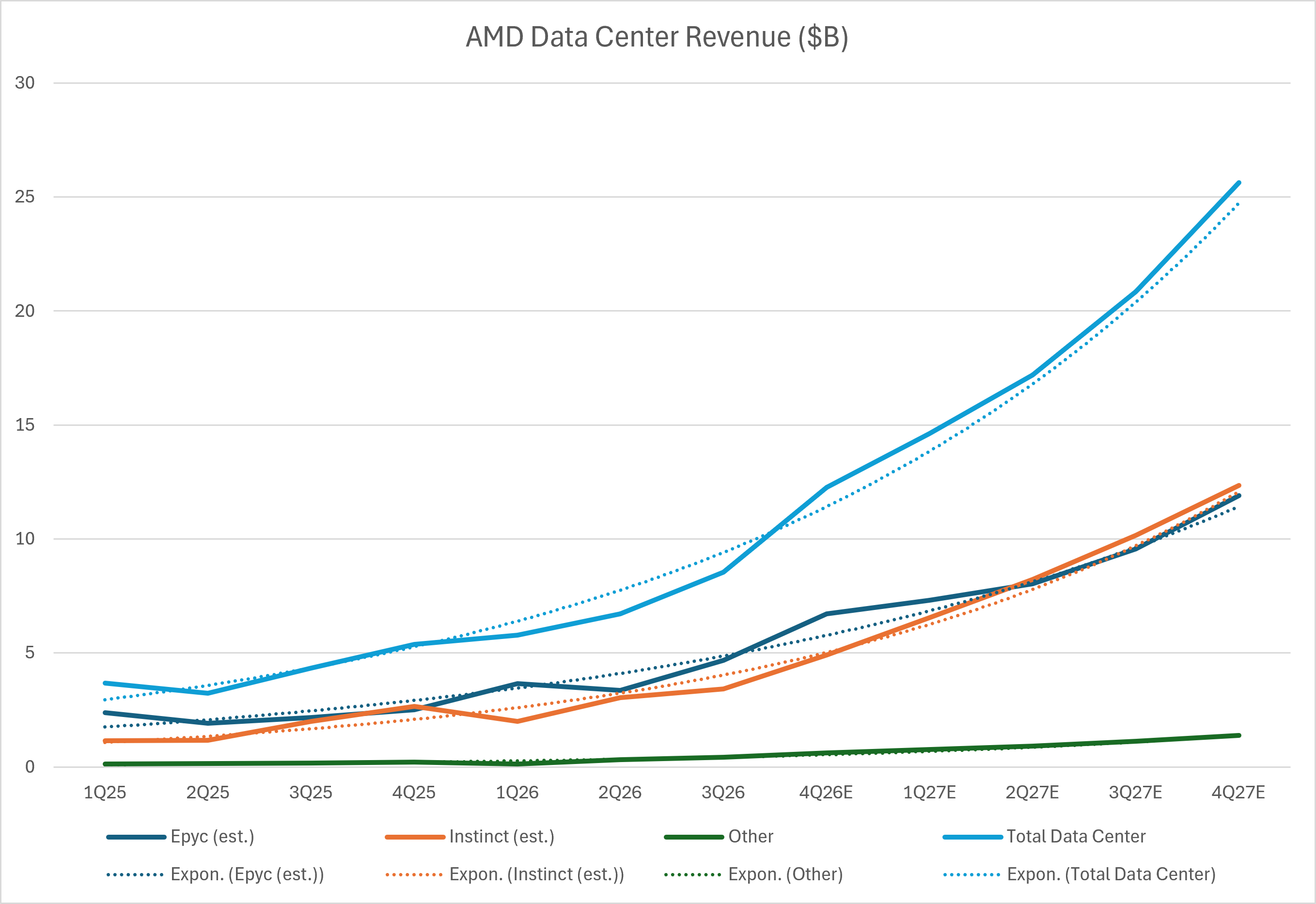
• The chip companies (Broadcom, Nvidia, etc.) would be whipsawed by AI labs cutting investment. Customer purchases could drop to 0 for a quarter as labs shut off spending to digest already-purchased systems queued for deployment.
In summary, the neoclouds will eat gravel, but to no broader significance. The chip companies will stumble badly but survive. The AI labs might actually come out ahead.
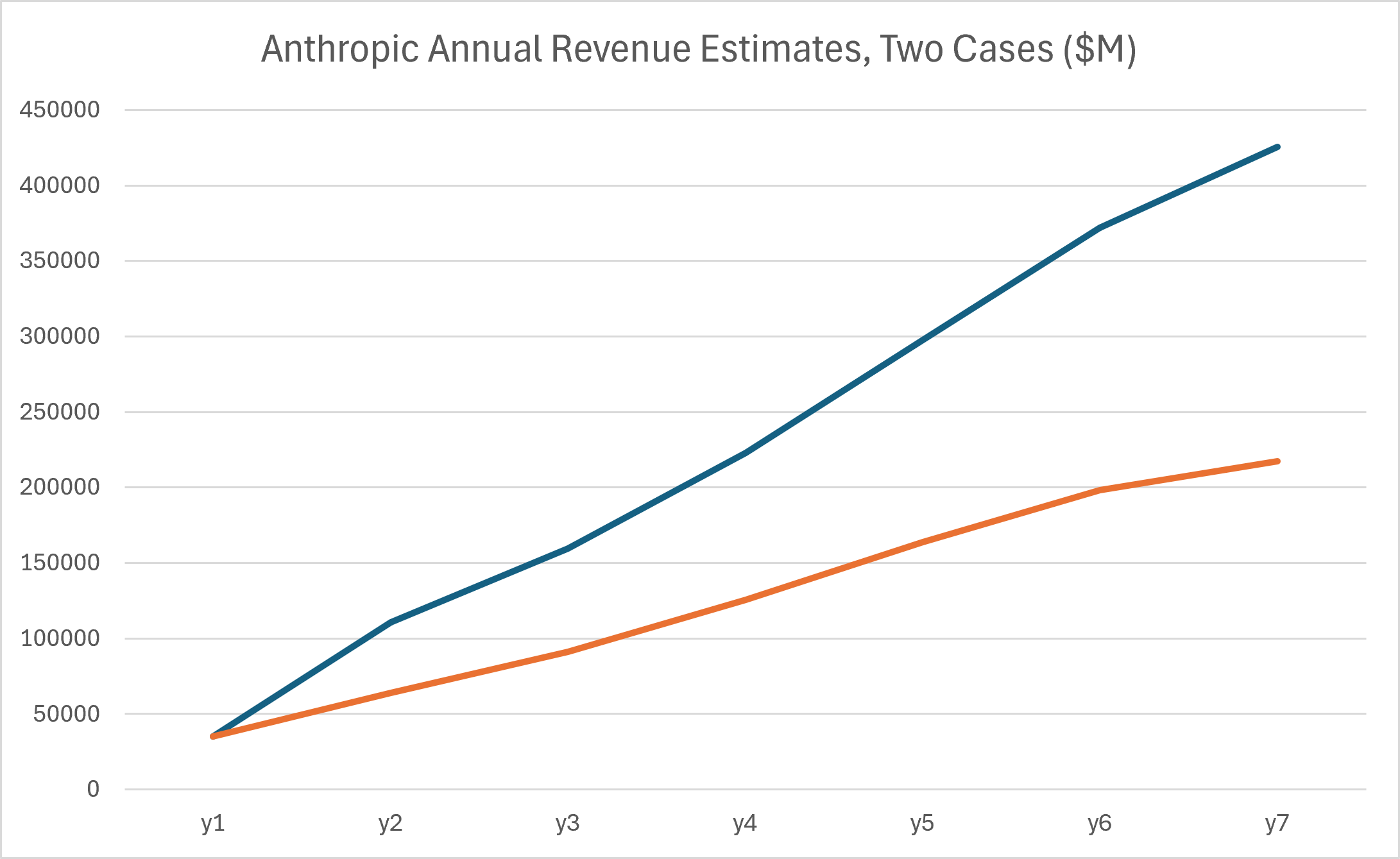
OK, so how much money can AI inference (Anthropic, OpenAI, etc.) generate? My guess is the ceiling is $750 billion annually (ignoring inflation). A case can be made that it’s lower: less than $250 billion.
Discuss.