What is Logic Density, Really?
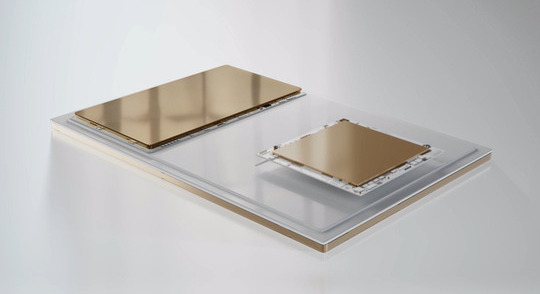
Does sticking one chip on top of another count as doubling transistor density? We’ve been doing this one way or another since time immemorial. I think most people would say it doesn’t count, a viewpoint that’s particularly understandable when the chips operate almost independently and share a single interface. For example, AMD’s V-Cache puts a memory (cache) chip on top of a computing die, implying a single (albeit wide) interface between the two.
What about Huawei’s recently disclosed LogicFolding technique? In this case, the interaction between stacked dice is much finer grained, with signal paths being shared between planes, implying many small interfaces between dice. EDA tools, such as place and route, must consider which plane to place a gate on. Changing planes may shorten signal paths, reducing propagation delay (𝜏), the whole focus of Huawei’s Tau Scaling concept.
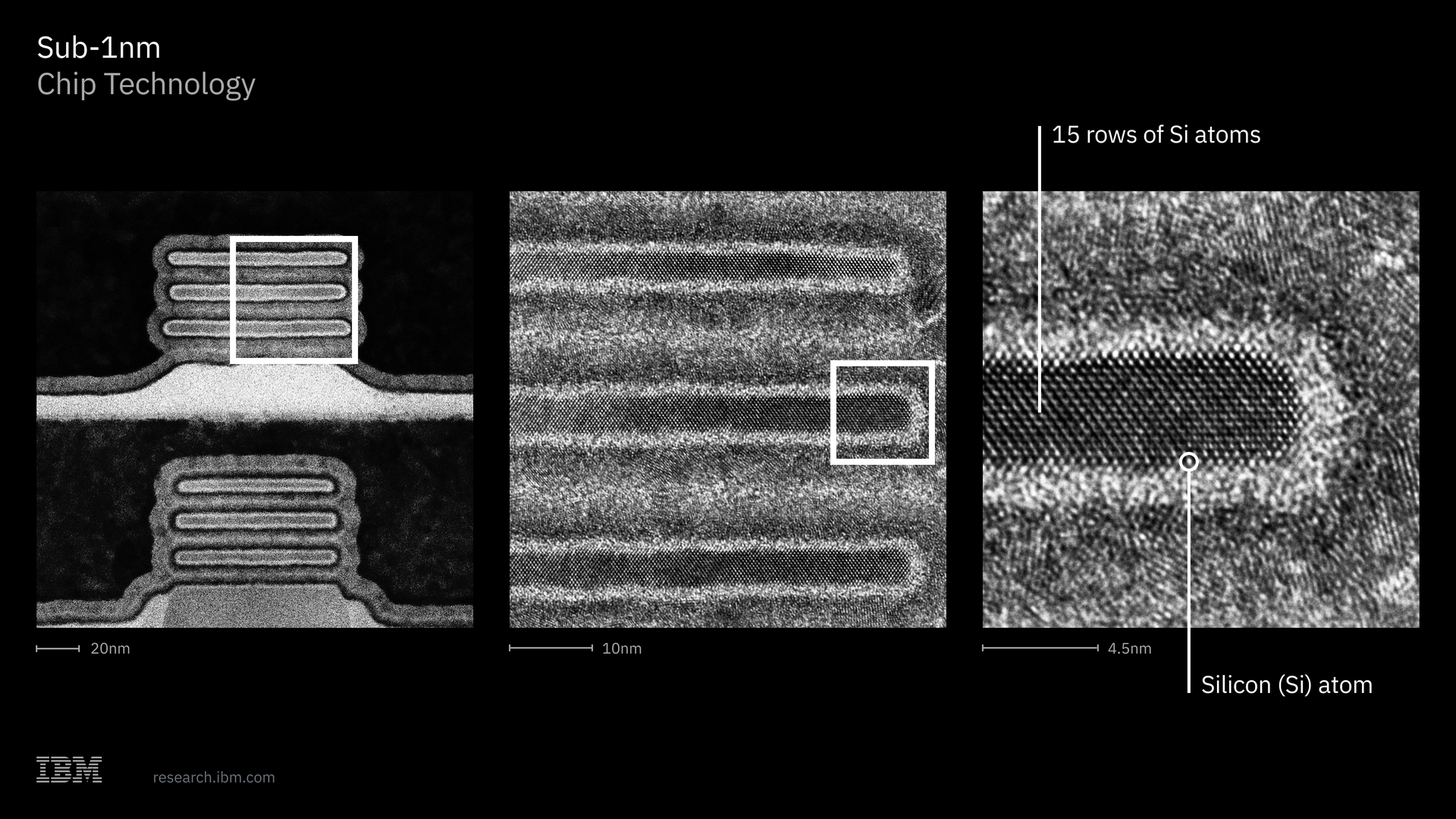
If you don’t consider LogicFolding to be a density increase, what about IBM’s Nanostack. Disclosed a year ago and back in the news because IBM has announced the first sub-1 nm chip. Calling it a 0.7 nm or 7 Å, this technique also stacks dice but the granules are even smaller, below the gate level. IBM fabricates N-type transistors on one wafer, P-type on another, and bonds the two together.
I see Nanostack as a step toward CFETs, which stacks transistors on top of each other, but builds them sequentially from the bottom up, like traditional chips. Because of this construction, I’m comfortable calling it a true density increase.
At the same time, it lowers my resistance to calling Nanostack a density increase. After all, there have been SOI techniques that bonded wafers, the monolithicness nobody questioned. Moreover, Nanostack is splitting the gate between wafers, and it’s reasonable for designers (at least those operating in realm of logic) to consider the gate to be atomic. Thus, Nanosheet increases density because, from a plan (x-y plane) view, gate size is halved.
But that lowers my resistance to calling LogicFolding a density increase. What do you think?