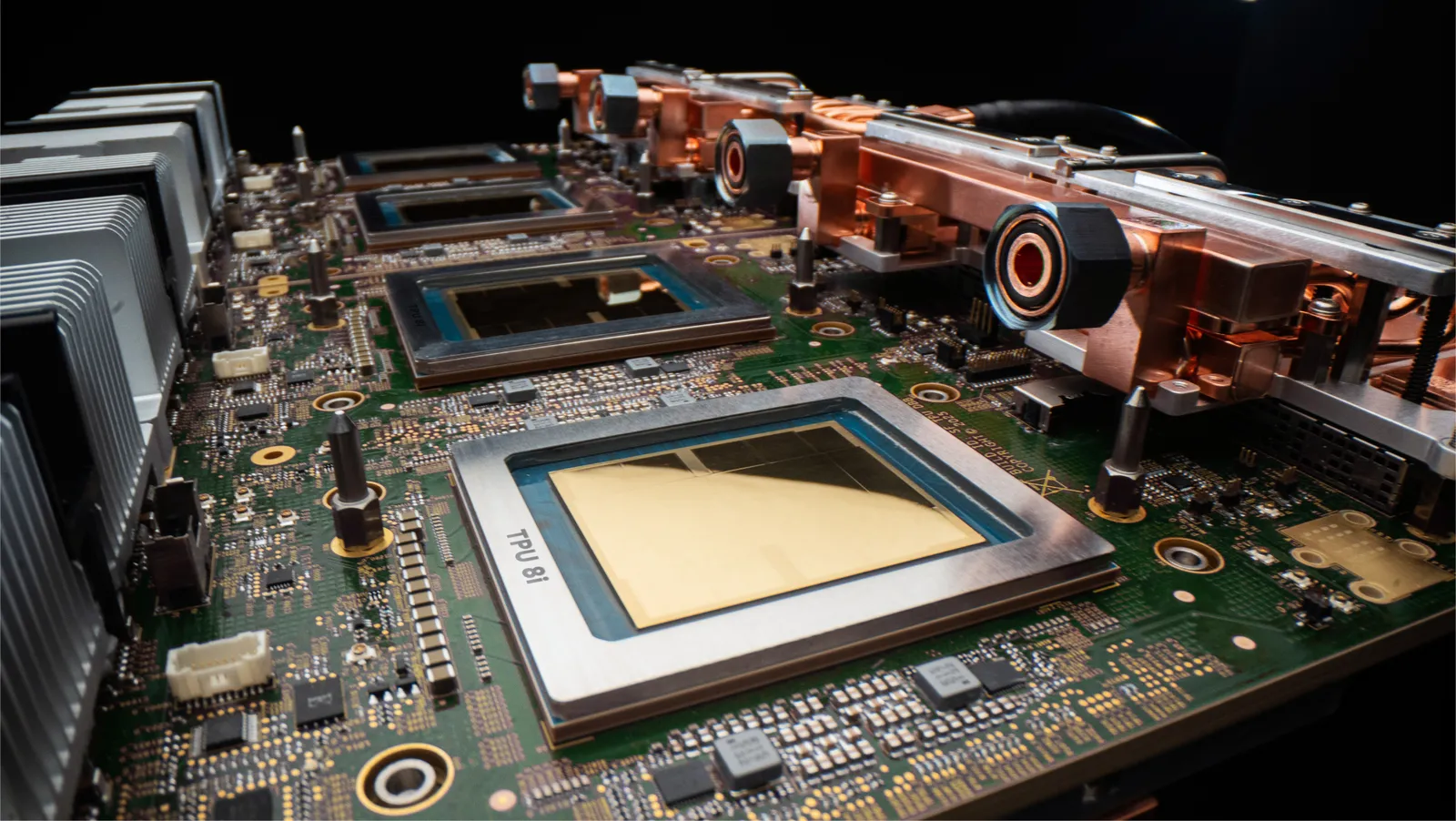
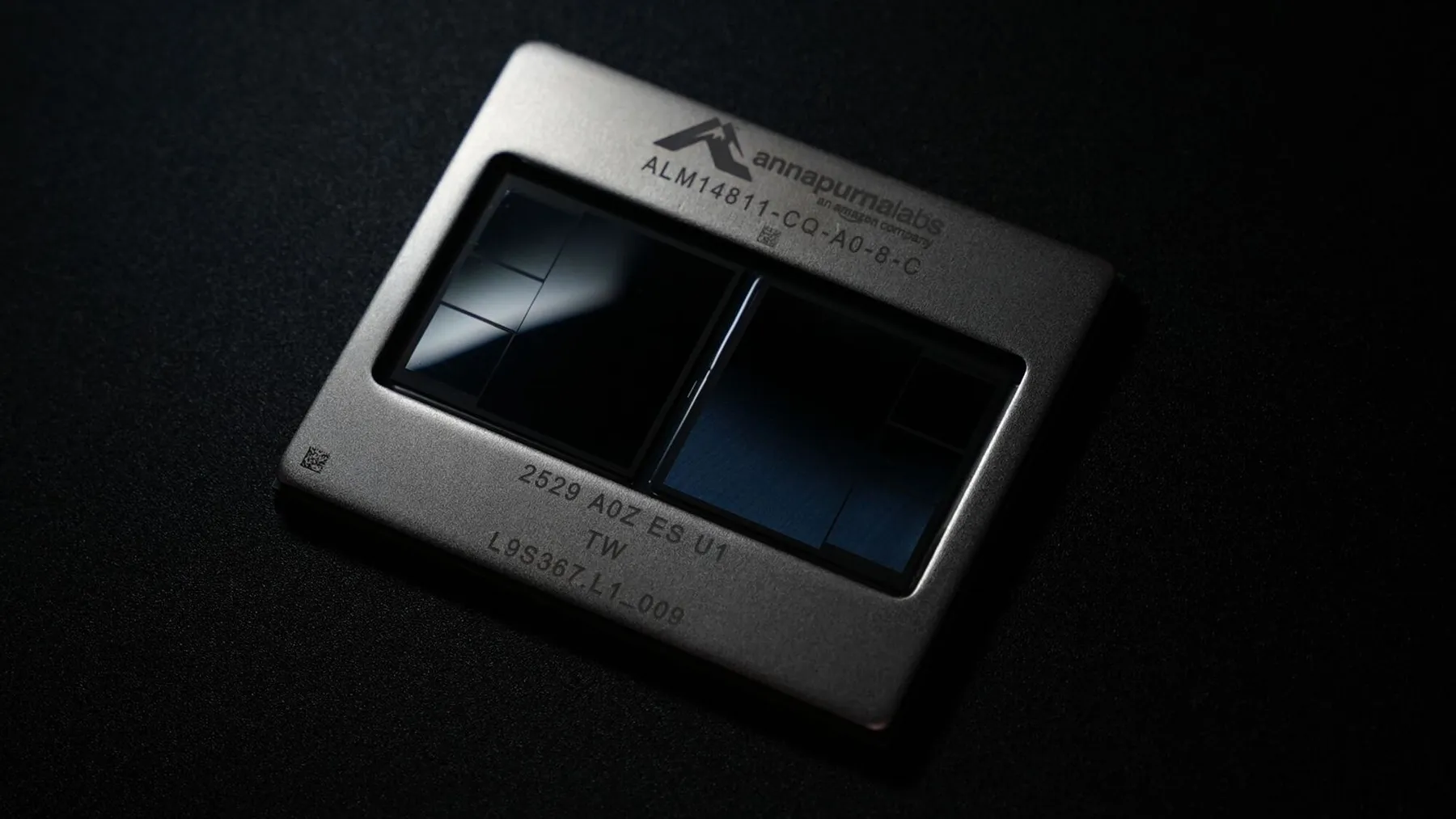
WSJ Documents Google's Commercial TPU Strategy
The Wall Street Journal reports that Google is accelerating TPU commercialization, positioning it to grab a larger share of the AI chip market by challenging Nvidia. The search giant offers the TPU through its cloud platform and by selling chips directly to customers. Among the many Nvidia challengers, Google is special because of its financial firepower.
Some emerging AI companies worry that the purchase of chips from other vendors could affect future access to their Nvidia GPU allocation, which venture capitalists such as Bessemer call “Jensen Jail.”
Google’s strategy to challenge Nvidia is not just to launch a stronger TPU, but to start replicating the GPU giant's demand-stimulating business model. In New York, a cluster of AI data centers called Lake Mariner showcases Google’s strategy. The company provides a $3.2 billion financial guarantee, and partners will lease the computing power provided by thousands of Google TPUs to Anthropic. Google also recently entered into a $5 billion deal with Blackstone to set up a new cloud service company that competes directly with Nvidia-backed neoclouds.
Mark Lohmeyer, vice president of Google Cloud AI and computing infrastructure, said the new inference-optimized TPU and Google’s improvements across systems have made more customers who have not necessarily considered TPUs interested in the past. For example, Citadel Securities has recently started using TPUs. The company’s technology chief said TPUs can reduce costs by 30 percent and can be four times faster.
Bernstein technology analyst Stacy Rasgon said that compared with a few years ago, Google is now clearly more aggressive and more opportunistic to commercialize existing assets. But a few years ago, market opportunities did not exist. Today, "no one has enough computing power."